Design
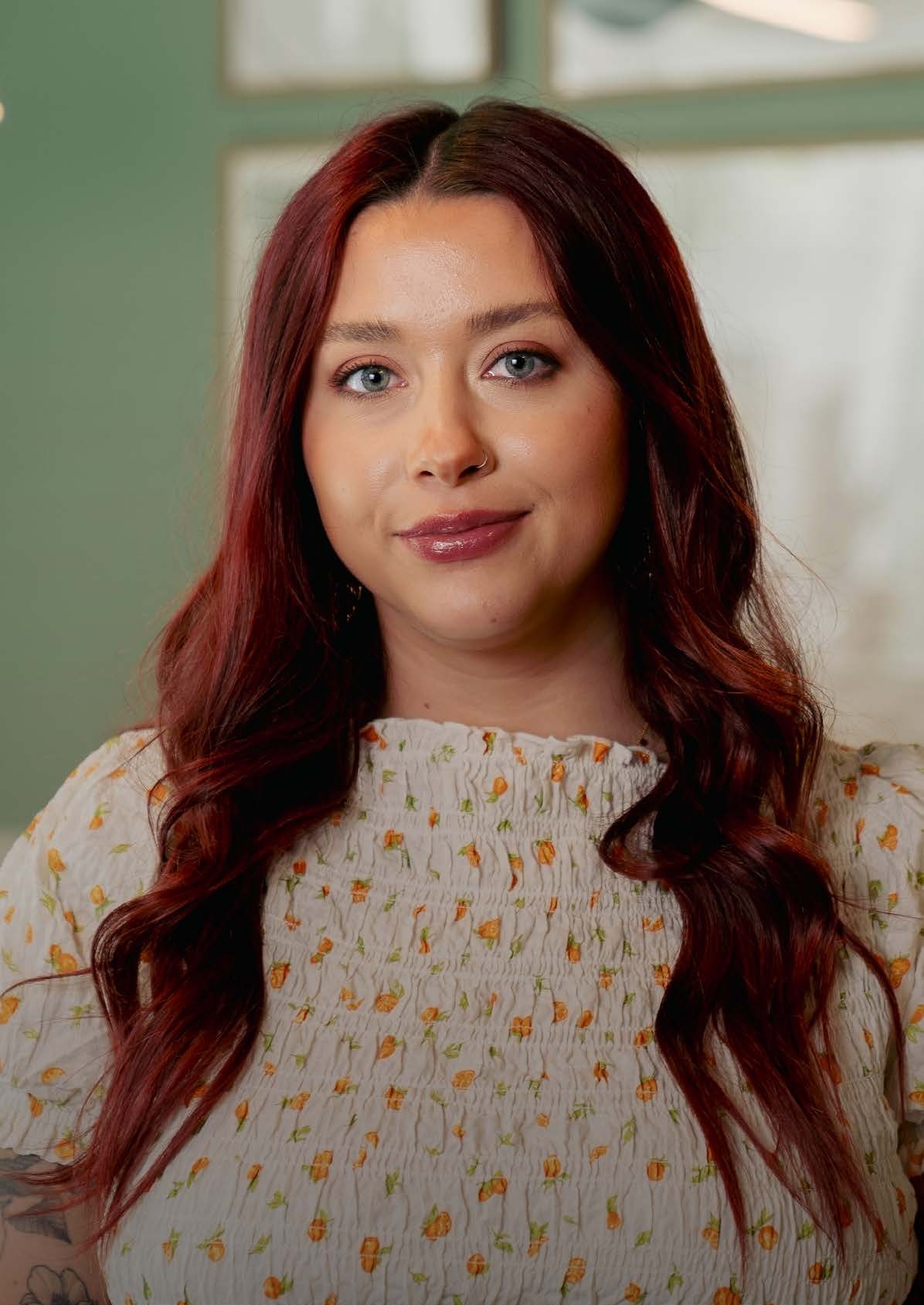
In Conversation: Eleanor Penny on Workplace Design, Neurodiversity & Biophilia
In Conversation: Eleanor Penny on Workplace Design, Neurodiversity & Biophilia
Editorial Introduction
“We shouldn’t hate work. We should love it, and design can make that possible.”
In the evolving world of workplace design, inclusivity, well-being, and sustainability are no longer optional extras. They are the foundations of how we build and experience work. We sat down with Eleanor Penny, Head of Workplace Design at Layrd Design, to discuss neurodiversity, biophilic design, and the opportunities ahead for creating spaces that truly work for everyone.
Early Influences & Design Journey
“As a kid, I built my own dollhouses because I thought I could do better.”
Eleanor’s journey into interior design began early. Balancing creativity with academic interests, she gravitated toward spatial design, often building her own dollhouses to improve on the ones she had. An art teacher first pointed her toward interior design as a career, and a placement at a local design company cemented her passion. From there, she committed to pursuing design at university and beyond.
Tom Nugent: How did you get into interior design? I saw you studied it at university, what brought you into wanting to do that?
Eleanor Penny: I’d always been creative as well as academic, and I knew I wanted to do something creative as a job. But when you’re young, you don’t always know how to translate that. You think, I can’t just be an artist, that’s not a job.
As a child I was fascinated by spatial design. If I had dolls, I’d build my own dollhouses because I thought I could do better. I was very 3D and sculptural when it came to art. An art teacher told me interior design was a real career, and I was fascinated.
There wasn’t much information online about it, but when I was 17, I did work experience with an interior design company in Cambridge. That helped me understand what it actually involved, and from there, I’ve loved it and stuck with it.
Workplace Philosophy & Well-being
Central to Eleanor’s design philosophy is the creation of healthy, welcoming workplaces. She believes offices should be places people look forward to spending time in, not dread. Wellness, sustainability, and inclusivity are the three pillars shaping her approach.
“You spend more time in the office than anywhere else, so why should it be a place you dread?”
Tom Nugent: What key influences have shaped your design philosophy?
Eleanor Penny: I’m really big on creating wellness spaces. As a workplace specialist, some people think it must be boring — but it’s actually the opposite. Offices are where people spend most of their lives. Why should they be places people dread?
They should make you feel happy, healthy, and excited to be there. Design can directly influence that. And sustainability has always been a huge influence. We never want to be the designers who make things worse for the planet. We want to make them better.
Tom: I completely agree. I’ve noticed myself how a good office space lowers anxiety.
Eleanor: Exactly. You shouldn’t hate Mondays. We shouldn’t hate work. We should love it.
Designing for Neurodiversity
Eleanor is a passionate advocate for neurodiverse-friendly workplaces — and she speaks from personal experience, having been diagnosed as autistic later in life. She highlights how conventional workplaces often overwhelm employees with overstimulation: harsh lighting, uniform desk setups, constant noise, and limited flexibility. Instead, she champions spaces that provide different zones for different moods and tasks, enabling employees to find settings that support focus, collaboration, or rest depending on their needs.
“By designing for everyone, we design better for everyone.”
Tom Nugent: Designing for neurodiversity is something you really champion. What does that mean in practice?
Eleanor Penny: Neurodiversity is a broad term. It covers things like ADHD, dyslexia, dyspraxia, autism, and within each, people’s experiences vary hugely. But at its core, it just means: not everyone is “neurotypical.” In fact, the majority of people probably fall somewhere on the neurodiverse spectrum.
Traditional workplaces often assume one-size-fits-all: rows of identical desks, bright lighting, noisy open plans. These can be overstimulating and even disabling for many people.
What people need instead is flexibility. Quiet zones. Collaborative areas. Soft partitions. Variety in seating and layouts. Some days you want to sit around others and collaborate. Other days you need to retreat and focus. You can’t do both in the same type of space.
And when we design for neurodiverse individuals, everyone benefits. Many design innovations started as accessibility measures, like ergonomic tools or laptop keyboards, and are now universal.
Tom: That’s fascinating. What are the main challenges neurodiverse individuals face in conventional workplaces?
Eleanor: Overstimulation. Think of a supermarket: harsh lighting, hard surfaces, lots of noise. That’s what many offices feel like. No flexibility, no quiet areas. Add in constant Zoom calls at desks, and you’re basically in a call centre all day.
Temperature control is another big one. Everyone’s too hot or too cold, and workplaces rarely get it right. The biggest issue is lack of flexibility: not recognising that people have different needs on different days.
Tom: And that ties to adaptability too.
Eleanor: Exactly. Variety makes workplaces not just functional but enjoyable. Different settings create opportunities for organic interactions, and simply keep things interesting.
Biophilic Design & Nature’s Role
When asked about her personal design essentials, Eleanor didn’t hesitate: natural light and a window view. This ties directly into her advocacy for biophilic design, which integrates nature into workplaces through light, plants, textures, and even seasonal rhythms. She explains that greenery and natural elements not only improve aesthetics, but can measurably reduce stress and blood pressure, while improving recovery and focus.
“We’re essentially just over-dramatic plants ourselves.”
Tom Nugent: How does biophilic design connect with neurodiversity and workplace well-being?
Eleanor Penny: People underestimate how important it is. Studies show even pictures of plants in hospitals improve healing times. Biophilia isn’t just about pot plants, it’s light, texture, living walls, moss, natural rhythms. It can lower stress, blood pressure, and help with focus.
For neurodiverse people especially, who may be more easily stressed, these calming elements are essential.
One project I loved was in Cambridge: an atrium with natural light and some existing planting. We built on that, adding more plants and using them as soft partitions to break up the space. Instead of walls, greenery created zones: coffee corners, collaborative tables.
My favourite part was a large central planter with a desk around it. When you sat there, you were surrounded by plants. It felt cosy, almost like being hugged. Staff loved it.
Tom: That sounds amazing.
Eleanor: It really was. And yes, there’s more demand now. The pandemic changed people’s expectations. At home, people curated their own spaces. Now they want offices that feel personal, biophilic, and comfortable, not sterile.
Eleanor’s advice to organisations is clear: start small, listen to employees, and embrace variety. Simple changes such as zoning work areas with planting, offering flexible seating, or adjusting lighting can have a big impact.
“The most important step is listening to your employees.”
Tom Nugent: What advice would you give to organisations wanting to start embedding neurodiverse-friendly design?
Eleanor Penny: Start by talking to your employees. Don’t just rely on external guidelines. Everyone’s needs are different, so ask them directly.
Beyond that, start small. Use planting to create zones. Add flexible seating — soft seating, different desk heights, small collaborative corners. Adjust lighting where possible. Variety goes a long way.
Tom: What about advocating for inclusivity with clients who don’t see the value?
Eleanor: That’s where data helps. There’s so much research now on how design impacts productivity, creativity, and even sickness rates. Clients love facts and figures. So bring the science as well as the beauty. A space can look great, but if it doesn’t function, it’s not good design.
Looking Ahead
Eleanor sees the future of workplace design in flexibility, inclusivity, and collaboration. With hybrid work becoming standard, offices must become spaces where people want to gather, exchange ideas, and innovate. She stresses that designers must stay open to change and continue challenging outdated norms, ensuring workplaces remain relevant, healthy, and inspiring for the next generation.
“As designers, we must stay open to new ideas, not revert back to outdated norms.”
Tom Nugent: If you could tell your past self one thing about office design, what would it be?
Eleanor Penny: Be open to new ideas. The last few years have brought massive change. After the pandemic, everyone was full of fresh ideas, but now there’s pushback. People want to go back to “how it was.” But clearly, how it was wasn’t working. We must stay open.
Tom: Where do you see the biggest opportunities for workplace design over the next decade?
Eleanor: Collaboration. With hybrid working, the office is no longer about individual desks. It’s about creating spaces where people gather, share ideas, innovate. In Cambridge, surrounded by science and tech, collaboration drives everything, and workplace design can enable that.